Choosing and using the right pen can help to avoid smudging; make handwriting look smarter and prevent hand strain when writing for extended periods of time. Everyone is different, so the type of pen required is different too.
There are three main points to think about when choosing a pen for handwriting:
- The type of ink it uses.
- The size and weight of the pen.
- The type of point it has.
1. Types of ink used:
- Oil-based ink
- The ink is quick drying and so does not smudge easily
- The ink flows smoothly depending on the point style of the pen
- Ink can stop and start for no apparent reason
- Water-based ink
- The ink does not dry as quickly as oil-based ink so can smudge
- The ink flows very smoothly
2. Pen sizes and weights
Because pens come in different shapes, sizes and weights it is important for your child to try out a range of pen styles to help them find the best fit for them. Remember one pen style does not suit all, everyone’s hand size and finger length are different.
Things to consider when choosing a pen:
- Does it feel too short or too long?
- Does it feel too thin or too thick?
- Does it feel too heavy or too light?
- Some children like a smooth round pen shape.
- Some prefer a textured round pen shape.
- While others may prefer a hexagon shaped pen.
3. Pen points
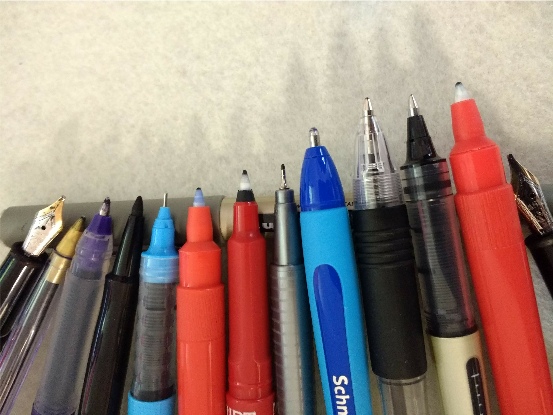
Pens come with different point or nib widths and shapes. The size and shape of the point gives different line thicknesses and are usually purchased as point sizes: extra fine, fine, medium or bold (some will have a measurement on as well).
A fine pen point produces thin lines and some children will find this can help to make writing neater.
A medium and bold point give thicker lines which many may find smoother to write with, though the letter size may be slightly larger because of it.
Once again it is important that children try out a range of pen point sizes to help them find the best fit for them.
Remember one pen point style does not suit all, everyone’s fine motor skills and writing pressures are different.
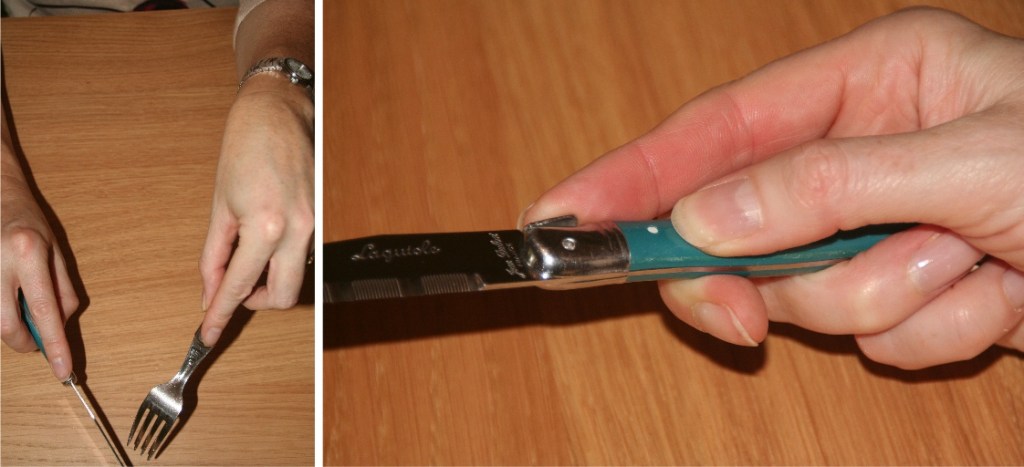
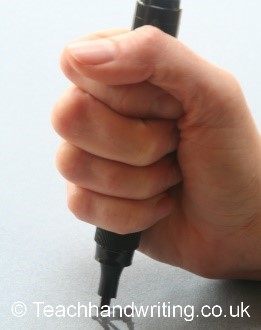
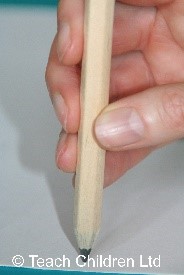
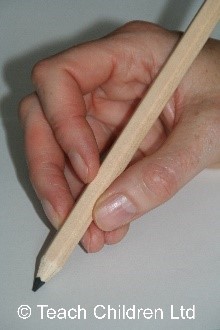
 There have been many articles over the last few years reporting the fact that children are struggling to hold pencils correctly for handwriting and drawing. The reasoning for this is more often than not based on our children’s use of technology and the effect this has on their hand strength and finger dexterity (Fine Motor Skills).
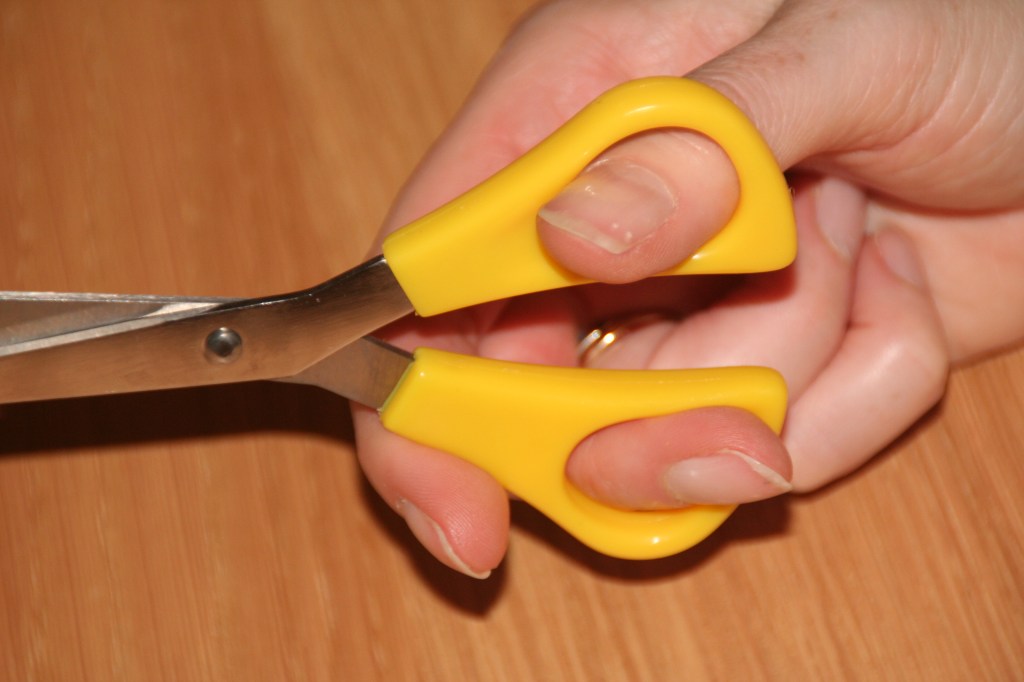
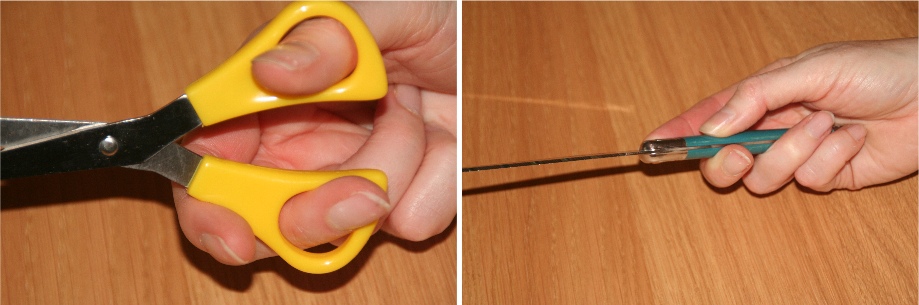
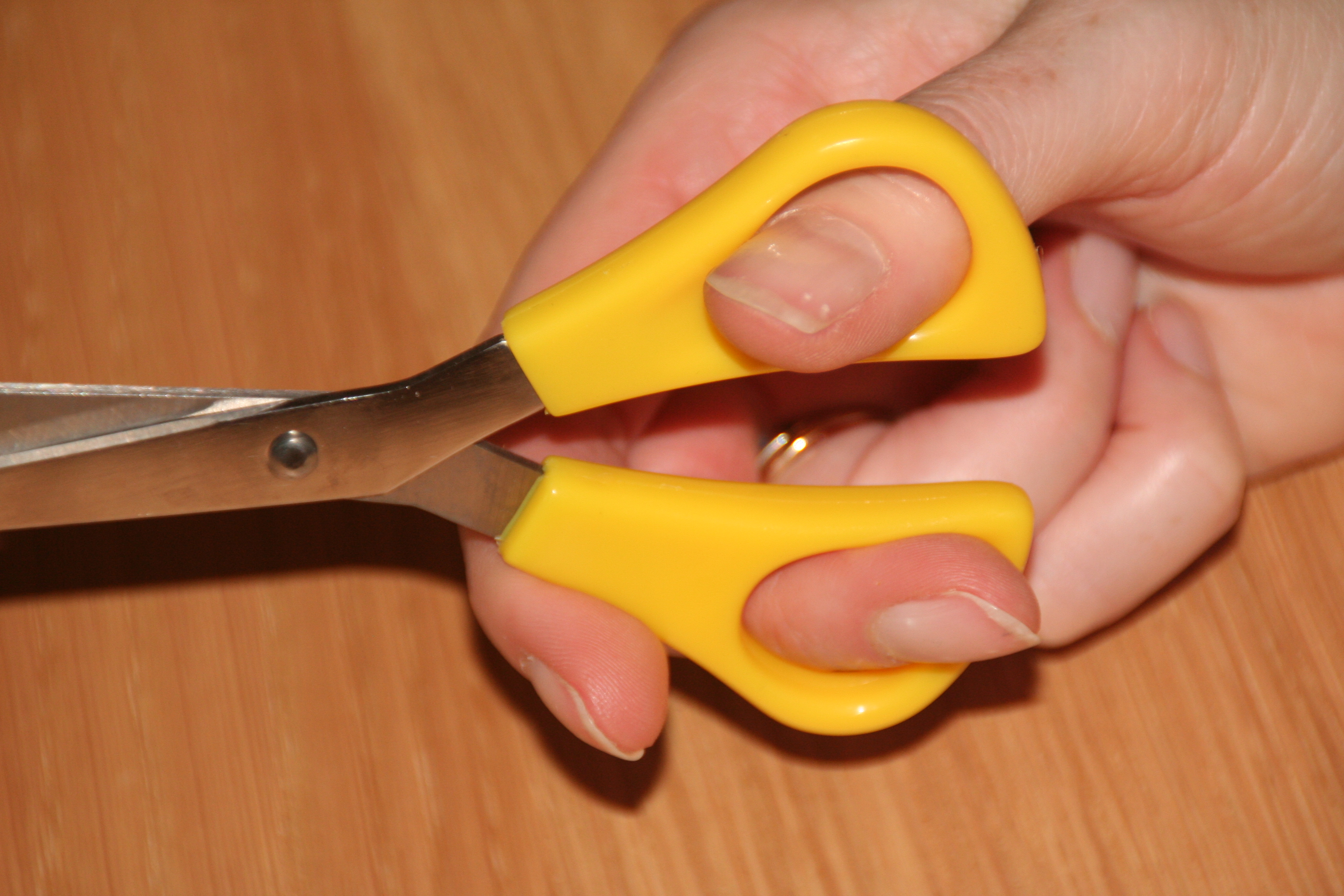 The tip of the thumb is in the top hole of the scissor handle while the tip of the middle finger is in the bottom hole. The index finger is on the bottom edge of the lower handle supporting and stabilising the scissors. The ring and little finger are curled into the palm (except if you are using large scissors as then they will fit in the bottom hole of the handle with the middle finger, to help create the cutting action).




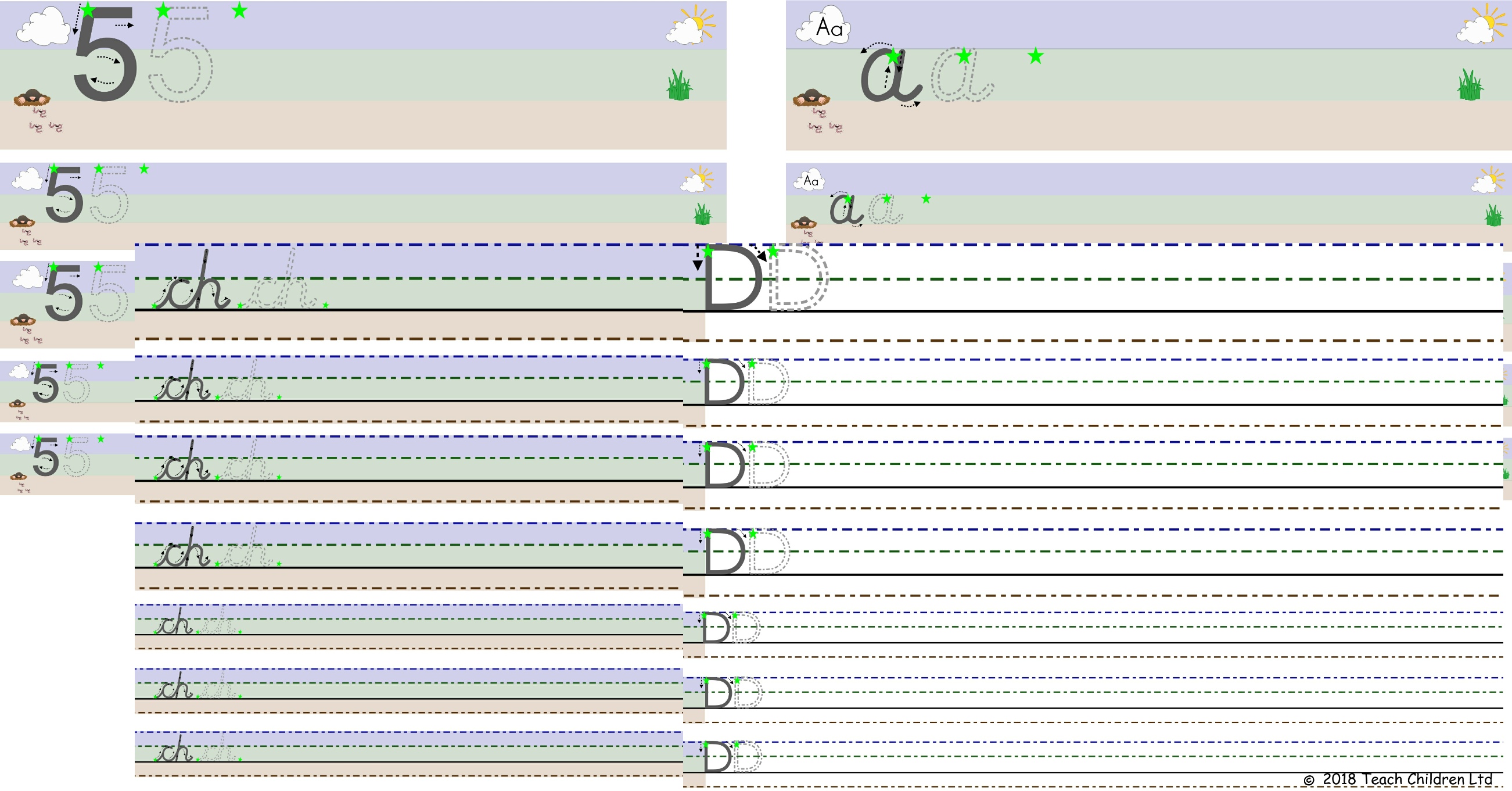

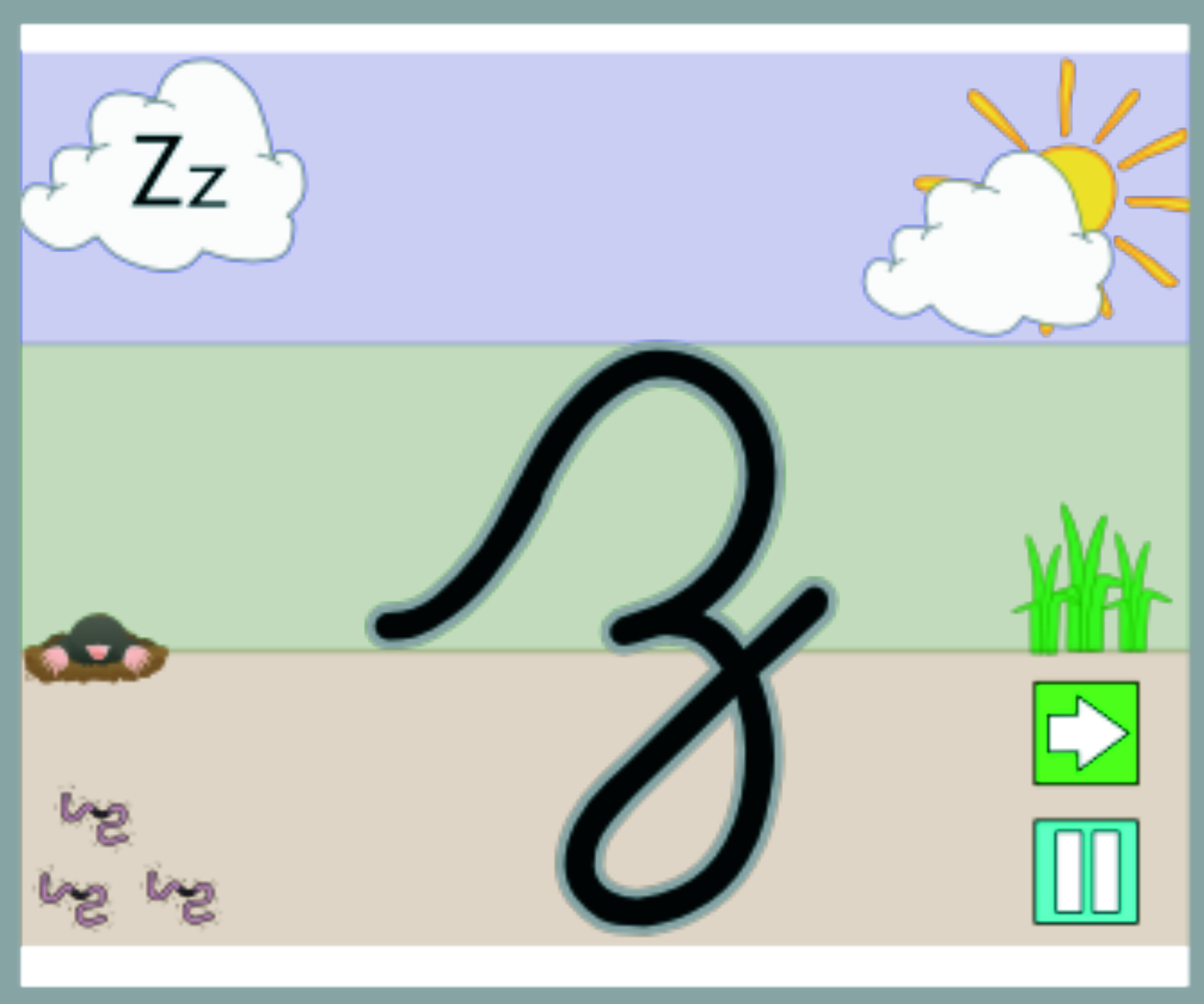
 It is important to check and know which letter formations are being taught in school and that this is what you teach at home. Otherwise you will only be causing more frustration and stress for your child.