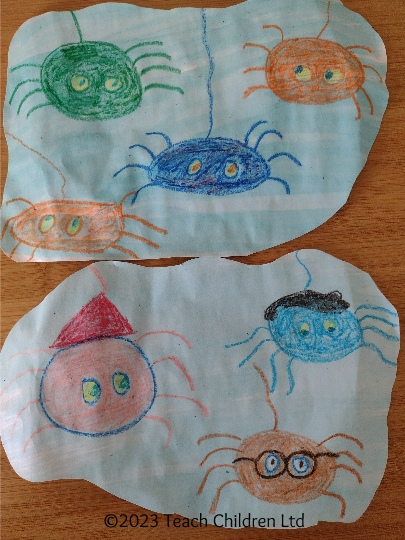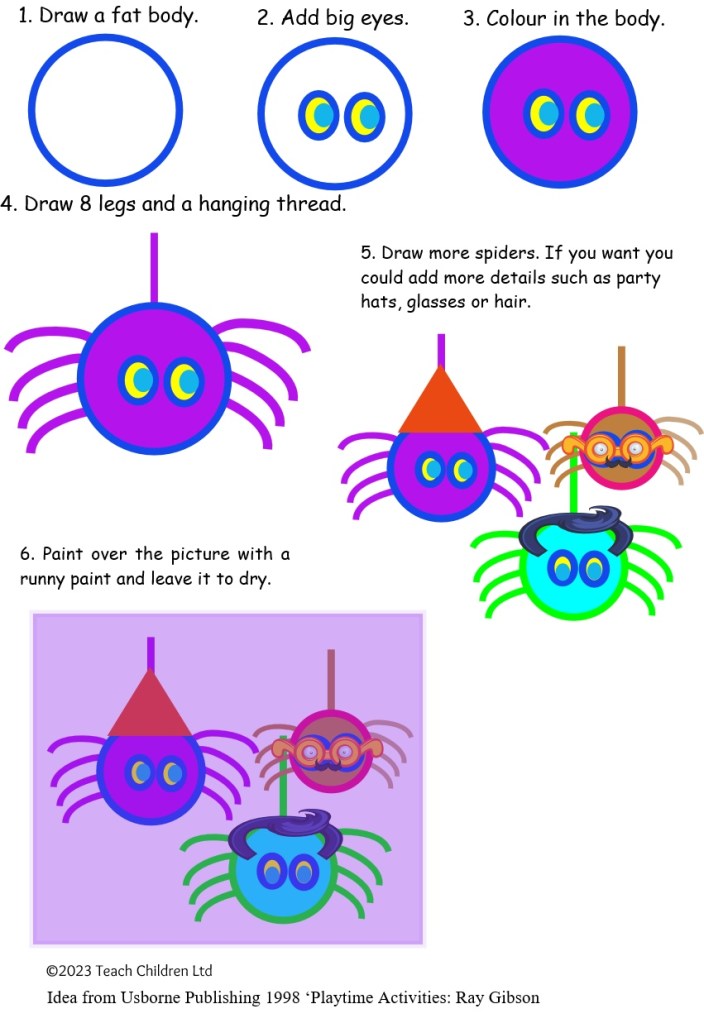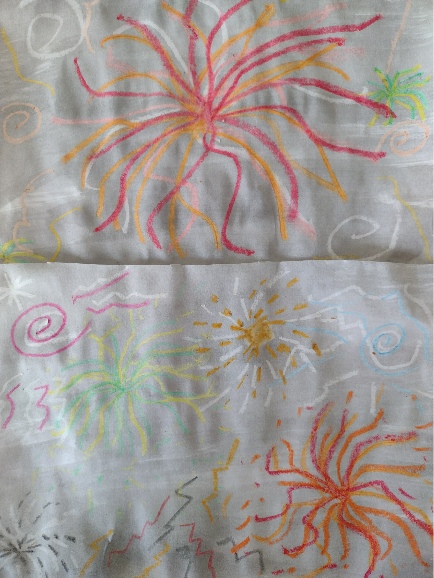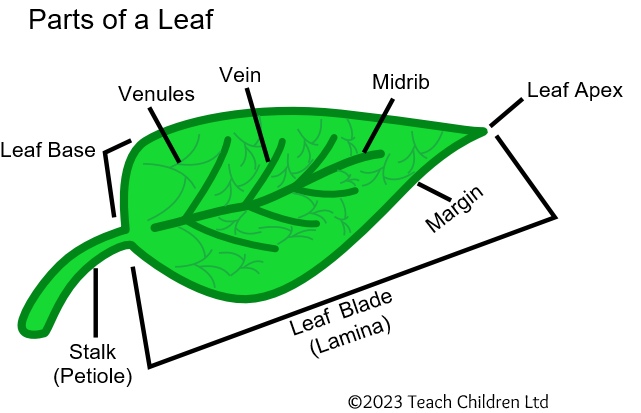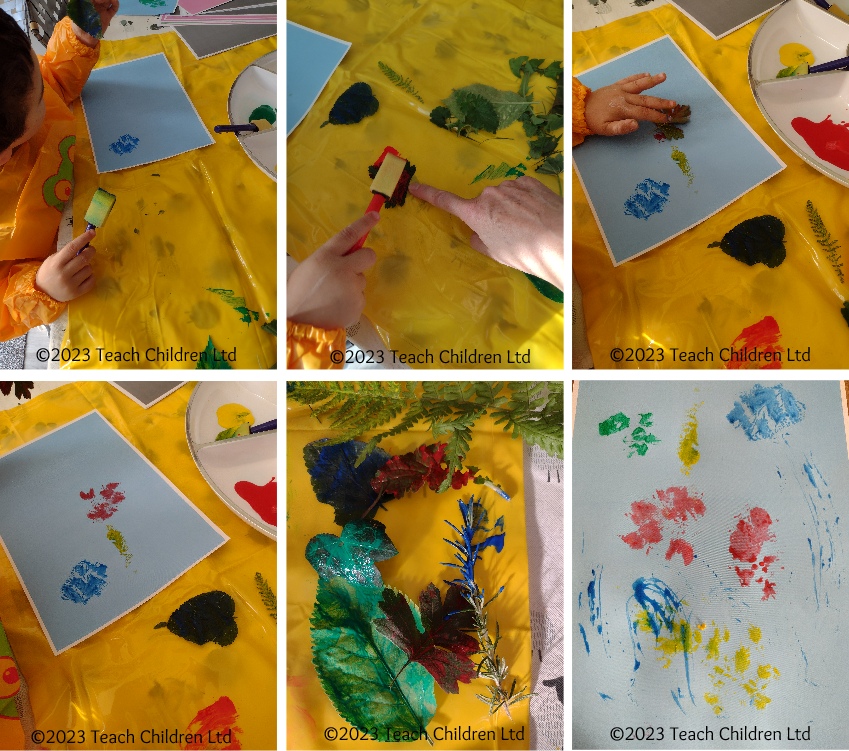
So, we have put together some quick step by step Easter drawing ideas for you to try, using basic shapes such as circles, rectangles and triangles. It is amazing how, by using these simple shapes, you and your child can create fantastic Spring/Easter: cards, pictures mobiles or bunting: https://teachhandwriting.co.uk/more-activities.html
Drawing pictures is a great way to help your child develop their pre-handwriting strokes and shape forming skills. As well as supporting language development by sharing and using words and phrases as you draw, colour, paint or stick with your child. Here are some suggestions for you: next to, above, underneath, on top of, on the left of, on the right of, different colour names, different shape names and line style such as straight, curved, wiggly, thick, thin, short or long.
Young children’s first experience on the handwriting journey is through mark-making and simple drawings, whether it is with finger-paints, writing in sand or with pencils and crayons.
From about the age of 2, children start to move from a simple grasping (primitive) grip to one that secures the writing tool between the fingers and the thumb. In the early stages of mark-making and drawing young children will try different grips and holds, which is part of their normal development for handwriting and drawing.
As young children’s body (gross motor skills), hand strength and dexterity (fine motor skills) are developing they need a range of pencil, crayon and paint brush thicknesses. Young children need the thicker drawing tools as they can grip them more easily, helping them to mark-make. If the pencil is too thin, they find it difficult to grasp and have little control over it, making the drawing experience unsuccessful, which can lead to frustration and discourage them from trying again.
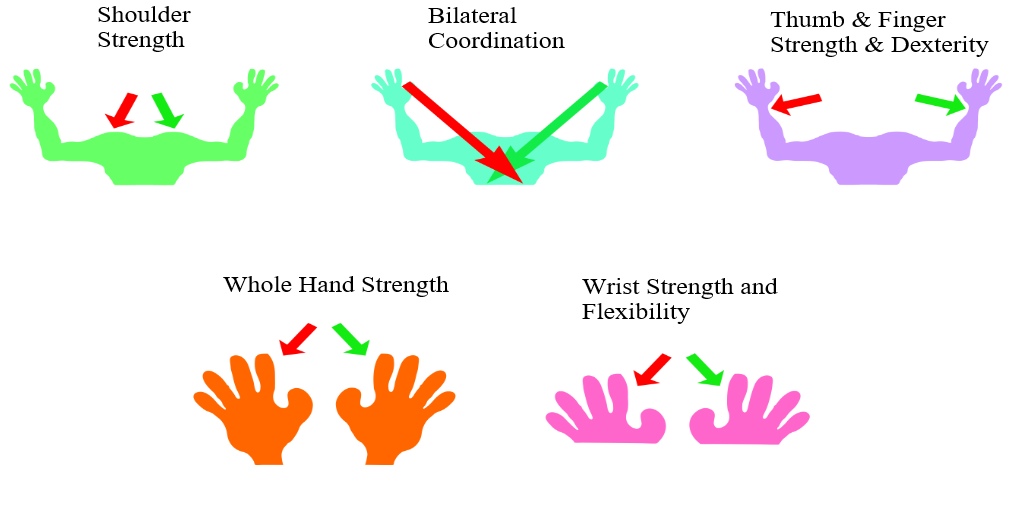
Due to the stage of their physical development young children use large movements to draw (from the shoulder rather than the wrist) which often creates larger shapes and lines.
During the early stages a vertical drawing and painting surface is important as it allows the child the freedom of movement to fully explore their mark-making potential. It also helps young children to develop the wrist strength and flexibility which they will need later to hold a pencil correctly for handwriting.
Using plain paper and surfaces is considered best for young children as they find it less restrictive.
It has been widely acknowledged that a child who is forced to hold a writing tool using the dynamic tripod grip, before they are developmentally ready, can be turned off engaging in the drawing/writing process as well as developing a poor pencil grip later on. Remember some children do not develop the ability to use the dynamic tripod grip until the age of 5/6 years old.
As a child’s gross and fine motor skills develop so does their pencil grip and ability to draw and write at a small scale moving more from the elbow and wrist and progressing through the grip stages.
Pancake Day (Tuesday 21st February 2023) will soon be upon on us, so why not use it as a great fun handwriting home exercise. Not only will you be helping your child to develop coordination, hand and finger strength and dexterity skills; you will also be sneaking a bit of reading and maths; three homework practises in one. Result!
A Traditional English Pancake Batter Mix
For a thin pancake batter mix:
100g plain flour
Pinch of salt
1 egg
270ml of milk or milk and water
Method:
Sift the flour and salt together.
Make a well in the flour and add the egg and enough milk (milk/water) to make a sticky mixture.
Beat well, then gradually whisk in the remaining milk (milk/water).
Keep in a cool place until ready to use, always whisk the batter before using.
An American Style Pancake Batter Mix
For a thick, sweet pancake batter mix:
150g plain flour
1 tea spoon baking powder
3 pinches of salt
1 egg
150ml of milk
30g caster sugar
Method:
Sift the flour, baking powder and salt together.
Stir in the caster sugar
In another bowl, whisk the egg and milk together.
Pour the egg and milk mixture into the flour and beat with a wooden spoon.
If the mixture is left to stand for about half an hour the pancakes tend to have a lighter texture.
Cooking is a great, fun way to practise getting both hands to work together. This helps to develop coordination, hand and finger strength and dexterity skills; all skills required for handwriting.
So why not try our tasty savoury Christmas baking treat!
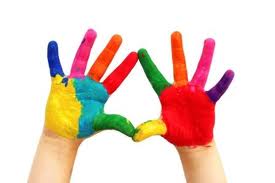
Hand and finger printing can be a fun way of getting your child used to touching and using different textured mediums. The creative element can help some children to cope with, and learn to overcome, some sensory tactile defence difficulties. Being happy holding objects allows them to hold a pencil comfortably, leading to better handwriting. Handwriting requires a child to apply the right amount of pressure to get the pencil marks of the letters on to the page. Too little pressure and the writing is often faint and wriggly in appearance (like a spider has walked across the page). Too heavy and the marks are very dark and can tear the paper; often the writing looks big, angular and laboured. Not being able to apply the correct pressure also affects how a child holds the pencil, which can cause the hand and fingers to tire more quickly, making writing tasks challenging. Printing activities help your child to start to become aware of how to control the amount of pressure they use and the effect that this has on the quality of the work produced. Learning to control the amount of pressure exerted and how it feels can be very difficult for some children and it takes time and a range of experiences to develop these skills. There are some fabulous printing ideas out on the internet; one of my favourite art resources is The Usborne Art Idea Books. Hand and finger printing can create some amazing artwork which can be used to make wonderful personalised Christmas cards, tags and paper. Who could not be charmed by these fun thumb and fingertip snowmen or robins or delighted by a hand print angel? For other useful tips on printing and setting up a printing work station, check out our ‘More fun handwriting activities’ in our Parents section under Learning Through Play: https://teachhandwriting.co.uk/more-activities.html
Handwriting with fluidity, speed, accuracy and over longer periods of time requires a complex range of whole body and hand strengths and skills. So it is not surprising that many children find handwriting challenging.
For a good handwriting style children need to develop their:
Gross Motor Skills – so they can sit correctly for periods of time.
Fine Motor Skills – so that they can hold and control the pencil and move the paper up the table as they write.
Motor Memory Skills – so they can recall how to form the letters.
Visual Memory Skills – so they recall what a particular letter looks like.
Spatial Awareness Skills– so they can place the letters correctly on the paper and in relation to one another.
Eye Tracking Skills– scanning from left to right so that the letters are formed and placed correctly.
If a child is struggling with handwriting it is important to take a closer look at their physical abilities. If they do not have all the appropriate key physical strengths to support their handwriting development getting them to do more of the paper and pencil activities is not the answer.
Our assessments are simple to complete and do not need any specialist equipment. The important elements are; your knowledge of the child and your observations of them at play and while they are engaged in normal day to day task.
A better understanding of a child’s key skills abilities enables you to focus more effectively, through targeted physical games and activities, to help them build and develop their skills.
Handwriting is such an important skill as it engages the neurological pathways and working memory in a way that pressing a keyboard just doesn’t; so once mastered it helps to open up the doorways to other literacy skills such as phonics, reading, spelling and composition.
Play is often thought of as a frivolous pastime rather than a practical and meaningful one. However, here at Teach Children Ltd we see play as a vital part of a child’s physical, emotional, social and intellectual growth and well-being.
There has been considerable research over the years on play, which supports our point of view, with the consensus being that children need to experience five different types of play (Dr.D Whitebread, 2012). These five types of play are roughly based on the developmental opportunities they provide, especially if it is child driven rather than adult lead.
In our update parent section of the Teach Handwriting website we have a new ‘Learning Through Play’ section. Here you will find games and activities ideas to suit all ages.
If you click on the ‘Games’ button or follow the link (https://teachhandwriting.co.uk/games.html) you will find games split into the five types of play, which will help you encourage your child to experience them all.
This wide range of play opportunities will also support your child in developing their gross and fine motor, communication and turn taking skills.
So, before you try to encourage your little darlings to sit and write, get them to do a few physical handwriting ‘Warm Up Exercises’. Not only do they help to prepare the hands and fingers for the task ahead, they also help to release any tension that has built up. They are fun to do, which usually brings a smile and often laughter, an added tonic to any learning experience. The warm up exercises can be accessed through a number of ways:
The warm up exercises can be accessed through a number of ways:
Teachers through the content section for the Key Stage you are teaching:
Young children love drawing on walls due to the stage of their physical development. They draw from the shoulder, rather than the elbow and wrist, using large arm movements. At this stage they prefer vertical drawing and painting surfaces as it allows a free range of movements. This is why they will write on walls (often newly decorated), not because they are meaning to be naughty but because it just feels comfortable and so more enjoyable.
Drawing and writing on a vertical surface is important at this stage as it helps young children develop the wrist strength and flexibility needed later to hold a pencil correctly for handwriting. Having the freedom to move more instinctively without restrictions means that a child is free to focus on other aspects, such as feeling the movement as they make shapes and gaining the confidence to have a go without fear of getting it wrong.
Case Study
Esme at the age of 3yrs 9mths was very happy to draw (more scribbling) and colour sitting at the table but Mum was not quite sure how to move her on. So, the following idea was suggested; to tape some large pieces of plain paper up on a suitable wall for her to draw on with appropriately sized pens, crayons or chalks.
This was the response:
Message from Mum was:
“She’s loving this idea. She did a triangle and a ‘s’ all on her own with no encouragement.” As the day went on Esme revisited the drawing wall and later on that day this photo arrived:
Message from Mum: “She just did her name.” This had been the first time she had done this.
An easel was then ordered!
The jump from a vertical to a horizontal writing surface can seem too great for some children; due to their stage of development. If they are still using some large whole arm and/or big elbow movements then they may benefit from the paper being positioned on a sloped board.
Cooking is a great fun way to practise getting both hands to work together. This helps to develop coordination, hand and finger strength and dexterity skills; all skills required for handwriting. However, it is amazing how much talk can come from this as well; not just at the time with you but when they share the day’s experience with others later on (developing their phonological awareness).
An added benefit at this time of year is that you can do ‘Pick Your Own’. Getting out and about and encouraging your child to pick their own fruit is not only great fun but another sneaky way of working on their hand and finger strength and dexterity.
There are so many recipes, especially online, for making quick easy great tasting food (make a large batch and freeze the rest).
So, if the sun is shining, or it is just not raining, get out there find your local ‘Pick Your Own’ or check out the bargains at your local shops/market and get cooking!