Summer Fun-Think more Play, Play and Play!!!

We are half way through the summer holidays, six weeks may have seemed like a long time but it is amazing how quickly it is passing.

The last thing you and your child probably want to think about right now is developing your child’s phonological awareness skills ready for next term; and quite right too!

So, don’t think about it in the conventional way of practise, practise and practise.

Think more play, play and play!!!

Children learn so much through just playing; developing physical, mental, communication and vocabulary strengths and skills, which all support them at school and with learning. Once introduced to a new game or activity children will very often take it and make it their own, making new rules and introducing extra characters or challenges.

The skill as a parent is remembering to let go of your preconceived ideas about how a game should be played and letting your child take the initiative.

If you provide the opportunities it is amazing how they will take on the challenge of inventing a new game or (in their eyes) improving an existing one.

This does not have to cost a penny; use the toys they already have or make games using empty plastic bottles or cardboard tubes.

The following kind of play supports and develops language and communication skills your child needs to help them learn and you have not had to mention school or homework.

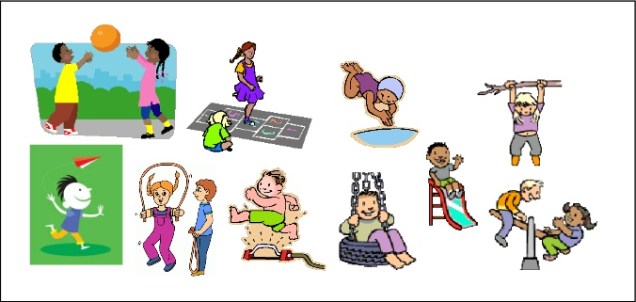
  • The local play park is a fantastic free resource; running, jumping, crawling and climbing can all be encouraged. If your child is a little reluctant then it may well be that they are unsure how to do some of these activities. Explain when jumping that they needed to land on their feet and bend their knees as they land. Start small and as their confidence grows so does the height or distance they jump. Climbing can be scary for some children so again explain how to climb, moving one hand or foot at a time so that there are always three other points of contact.
  • If you are lucky enough to have a garden then mud play is messy but so much fun, it can be contained in a small area and will not only make you a cool adult but, if you join in, it will knock years off you (have a go, it is a great free therapy session).
  • Skittle games are always fun. Extend the activity by decorating the skittles (plastic bottles or cardboard tubes) using anything from crayons, paint or even dress them up as people or animals.
Hand Swapping Issues?

Hand Swapping is a normal developmental stage in infants and young children and therefore, at this stage, not a sign that a child is uncertain of their dominant hand. However, this is not ideal for a child who has started school.

Hand swapping throughout a task is not necessarily a sign that a child is uncertain of their dominant hand.

There are two routes to tackling the hand swapping issue, the one to use depends on your answers to the following questions.

1. Does the child usually start with the one hand and then swap when that hand gets tired?

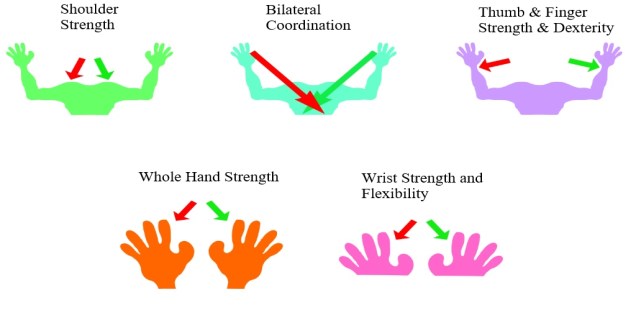
You can usually tell if this is the case because they may shake out or rub the tired hand and once it is rested go back to using it again. This is probably because their fine motor skills are weak. Through focused games and activities (https://teachhandwriting.co.uk/handwriting-muscles.html#hand and https://teachhandwriting.co.uk/warm-ups.html ), the muscle strength and dexterity can be gradually built up in the dominant hand, which in turn will build their stamina so that the hand swapping will reduce until they stop it altogether.

Once you are sure of dominance gently discourage swapping hands by taking a break from the activity and coming back to it a couple of minutes later using the preferred hand.

2. Does the child use their left hand if items are presented on their left-hand side and their right hand if they are presented on the right-hand side?

In toddlers and young children this is expected. In older children however it could mean that they have developed a delay in their skill to cross the mid-line point. This developmental bilateral coordination skill is vital to develop and can be addresses through a range of simple games and activities (https://teachhandwriting.co.uk/handwriting-muscles.html#bilat and https://teachhandwriting.co.uk/warm-ups.html ).

Half Term Fun – Indoor/Outdoor Circuits Ideas

Well, true to form, the half term holiday weather is a mixed bag, sunny one minute then pouring with rain the next!  

So, here are a couple of ideas to help your child burn off some of that pent-up energy. Best of all you can class it as handwriting homework (working on gross and fine motor skills).

An indoor/outdoor circuit training course does not have to take up much space or be messy (but it might be a good idea if indoors to move ornaments a little further out of the way).

Simple activities can be fun if they are done for short periods of time and children do love a time challenge. Make each activity last anything from 30 seconds to 1 minute.

You could record how many they did in the time and see if they have improved when you try it again.

Why not try:

  • Hopping on one leg and then the other (balance & coordination)
  • Use the bottom step of the stairs for step ups (bilateral coordination)
  • Curl ups (Core strength)
  • With a cushion balanced on their head can they touch their toes without dropping the cushion (balance, coordination, bilateral coordination and core strength)
  • Star Jumps (balance & coordination)

It is amazing how much fun you can have just hopping, jumping, skipping and dancing on the spot.

If the weather is fine then set out a bike or skateboard track for racing. When out on a bike ride (if safe to do so) have mini time trials on the flat or up hills.

If you are feeling really brave why not try building an obstacle course, a lot of the fun is in the designing and making. It is amazing the communication and language skills required as well.

Let go and have fun!!!

Hand Swapping Issues?

Hand Swapping is a normal developmental stage in infants and young children and therefore, at this stage, not a sign that a child is uncertain of their dominant hand. However, this is not ideal for a child who has started school.

Hand swapping throughout a task is not necessarily a sign that a child is uncertain of their dominant hand.

There are two routes to tackling the hand swapping issue, the one to use depends on your answers to the following questions.

1. Does the child usually start with the one hand and then swap when that hand gets tired?

You can usually tell if this is the case because they may shake out or rub the tired hand and once it is rested go back to using it again. This is probably because their fine motor skills are weak. Through focused games and activities (https://teachhandwriting.co.uk/handwriting-muscles.html#hand ), the muscle strength and dexterity can be gradually built up in the dominant hand, which in turn will build their stamina so that the hand swapping will reduce until they stop it altogether.

Once you are sure of dominance gently discourage swapping hands by taking a break from the activity and coming back to it a couple of minutes later using the preferred hand.

2. Does the child use their left hand if items are presented on their left-hand side and their right hand if they are presented on the right-hand side?

In toddlers and young children this is expected. In older children however it could mean that they have developed a delay in their skill to cross the mid-line point. This developmental bilateral coordination skill is vital to develop and can be addresses through a range of simple games and activities (https://teachhandwriting.co.uk/handwriting-muscles.html#bilat ).

Hand Swapping Issues?

Hand Swapping is a normal developmental stage in infants and young children and therefore, at this stage, not a sign that a child is uncertain of their dominant hand. However, this is not ideal for a child who has started school.

Hand swapping throughout a task is not necessarily a sign that a child is uncertain of their dominant hand.

There are two routes to tackling the hand swapping issue, the one to use depends on your answers to the following questions.

1. Does the child usually start with the one hand and then swap when that hand gets tired?

You can usually tell if this is the case because they may shake out or rub the tired hand and once it is rested go back to using it again. This is probably because their fine motor skills are weak. Through focused games and activities (https://teachhandwriting.co.uk/handwriting-muscles.html#hand ), the muscle strength and dexterity can be gradually built up in the dominant hand, which in turn will build their stamina so that the hand swapping will reduce until they stop it altogether.

Once you are sure of dominance gently discourage swapping hands by taking a break from the activity and coming back to it a couple of minutes later using the preferred hand.

2. Does the child use their left hand if items are presented on their left-hand side and their right hand if they are presented on the right-hand side?

In toddlers and young children this is expected. In older children however it could mean that they have developed a delay in their skill to cross the mid-line point. This developmental bilateral coordination skill is vital to develop and can be addresses through a range of simple games and activities (https://teachhandwriting.co.uk/handwriting-muscles.html#bilat ).

Indoor/Outdoor Circuits Ideas – Supporting Gross Motor Skills Development

Well, true to form, the Easter Holiday weather is a mixed bag, sunny one minute then pouring with rain the next!  

So, here are a couple of ideas to help your child burn off some of that pent-up energy. Best of all you can class it as handwriting homework (working on gross and fine motor skills).

An indoor/outdoor circuit training course does not have to take up much space or be messy (but it might be a good idea if indoors to move ornaments a little further out of the way).

Simple activities can be fun if they are done for short periods of time and children do love a time challenge. Make each activity last anything from 30 seconds to 1 minute.

You could record how many they did in the time and see if they have improved when you try it again.

Why not try:

  • Hopping on one leg and then the other (balance & coordination)
  • Use the bottom step of the stairs for step ups (bilateral coordination)
  • Curl ups (core strength)
  • With a cushion balanced on their head can they touch their toes without dropping the cushion (balance, coordination, bilateral coordination and core strength)
  • Star Jumps (balance & coordination)

It is amazing how much fun you can have just hopping, jumping, skipping and dancing on the spot: https://teachhandwriting.co.uk/games.html

If you are feeling really brave why not try building an obstacle course, a lot of the fun is in the designing and making. It is amazing the communication and language skills required as well.

Let go and have fun!!!

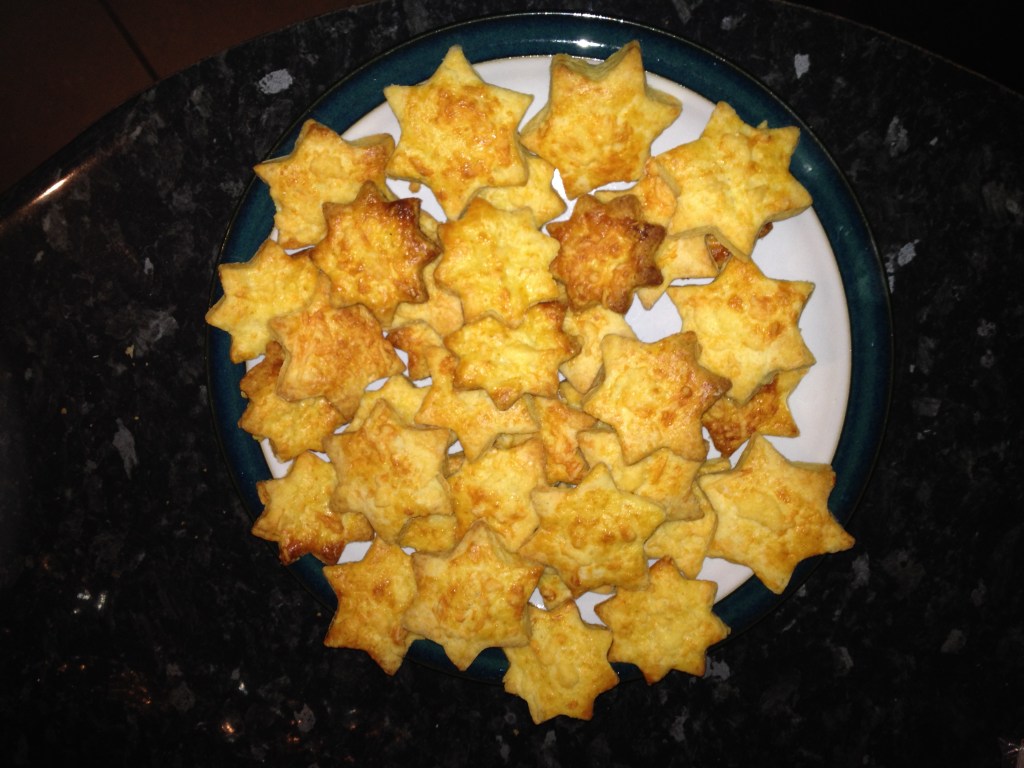
How do Cheesy #Christmas Stars Improve Handwriting Skills?

Cooking is a great, fun way to practise getting both hands to work together. This helps to develop coordination, hand and finger strength and dexterity skills; all skills required for handwriting.

So why not try our tasty savoury Christmas baking treat!

Go to our ‘More fun handwriting activities’ page: https://teachhandwriting.co.uk/more-activities.html for the recipe and just download the pdf (https://teachhandwriting.co.uk/assets/pdfs/christmas-cooking-cheesy-stars.pdf )

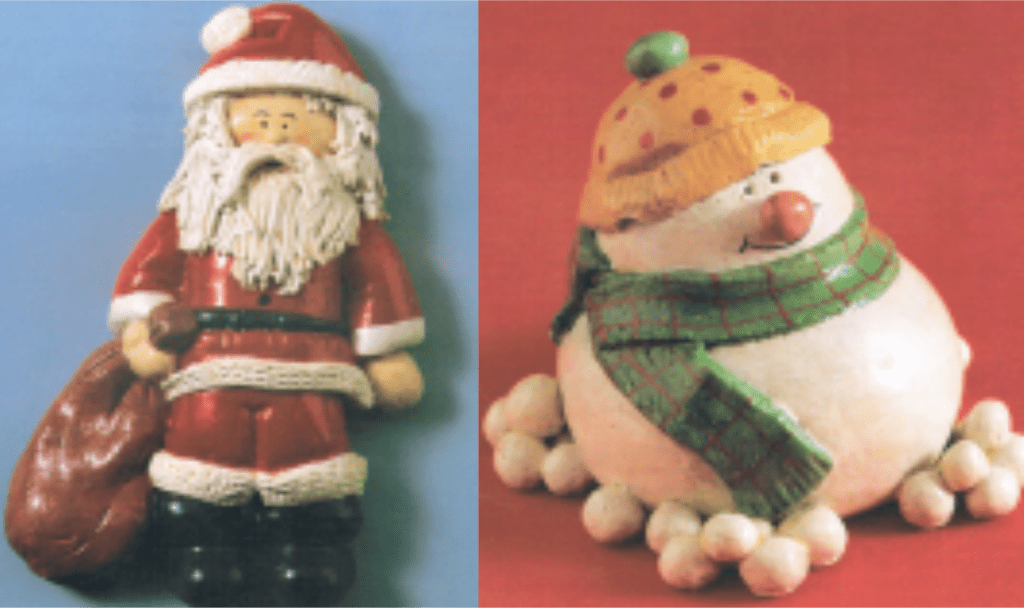
Christmas Fun That Develops Handwriting Skills and No Pencil!

Handwriting skills don’t start with pencil and paper they begin with earlier play opportunities. Using play-dough type modelling materials is great for developing hand and finger strength, bilateral coordination, sensory perception and for learning and perfecting different grips for using tools.

Salt Dough

So, why not make some great salt dough Christmas gifts and tree decorations with your child. Not only will they melt the hearts of those who receive them but you will be developing your child’s fine motor skills (needed for good handwriting) while having fun, can’t be bad!

Go to our ‘More fun handwriting activities’ page https://teachhandwriting.co.uk/more-activities.html for a salt dough recipe, that I have found good to use with children, and just download the ‘Salt Dough Modelling’ pdf (https://teachhandwriting.co.uk/assets/pdfs/Salt%20Dough%20Modelling.pdf )

Hand Swapping Issues?

Hand Swapping is a normal developmental stage in infants and young children and therefore, at this stage, not a sign that a child is uncertain of their dominant hand. However, this is not ideal for a child who has started school.

Hand swapping throughout a task is not necessarily a sign that a child is uncertain of their dominant hand.

There are two routes to tackling the hand swapping issue, the one to use depends on your answers to the following questions.

1. Does the child usually start with the one hand and then swap when that hand gets tired?

You can usually tell if this is the case because they may shake out or rub the tired hand and once it is rested go back to using it again. This is probably because their fine motor skills are weak. Through focused games and activities (https://teachhandwriting.co.uk/handwriting-muscles.html#hand ), the muscle strength and dexterity can be gradually built up in the dominant hand, which in turn will build their stamina so that the hand swapping will reduce until they stop it altogether.

Once you are sure of dominance gently discourage swapping hands by taking a break from the activity and coming back to it a couple of minutes later using the preferred hand.

2. Does the child use their left hand if items are presented on their left-hand side and their right hand if they are presented on the right-hand side?

In toddlers and young children this is expected. In older children however it could mean that they have developed a delay in their skill to cross the mid-line point. This developmental bilateral coordination skill is vital to develop and can be addresses through a range of simple games and activities (https://teachhandwriting.co.uk/handwriting-muscles.html#bilat ).

#Christmas Fun That Develops Handwriting Skills and No Pencil!

Handwriting skills don’t start with pencil and paper they begin with earlier play opportunities. Using play-dough type modelling materials is great for developing hand and finger strength, bilateral coordination, sensory perception and for learning and perfecting different grips for using tools.

Salt Dough

So, why not make some great salt dough Christmas gifts and tree decorations with your child. Not only will they melt the hearts of those who receive them but you will be developing your child’s fine motor skills (needed for good handwriting) while having fun, can’t be bad!

Go to our ‘More fun handwriting activities’ page (https://teachhandwriting.co.uk/more-activities.html ) in our Resources section for a salt dough recipe, that I have found good to use with children, and just download the ‘Salt Dough Modelling’ pdf.