
Motor memory and visual memory difficulties can have a dramatic effect on a child’s handwriting ability. Possible signs of poor motor memory or visual memory skills can be that their handwriting is slow and deliberate or fast and messy (as they try to hide their letter formation issues), making it difficult to read. They can spend so much time on trying to remember how to form the letters, they have no working memory space left for the important tasks of composing their writing and spelling.
Poor motor memory skills can make handwriting difficult as shapes and letter formation movements are often forgotten, causing letter reversals and incorrectly formed letter shapes, which can make joining a very slow process to learn. A poor and often slow handwriting style can develop as font styles are mixed and capital letters are used inappropriately. Combined, these difficulties can cause poor presentation, spelling and legibility issues.
Poor visual memory skills make handwriting difficult as the ability to recall how letters look and reproduce them with appropriate spacing and positioning is partially or completely lost. This leads to poor letter formation skills, letter reversal along with spelling and presentation difficulties.
Visual memory and motor memory skills are linked and so a game or activity that supports one is likely to support the other.
For more information on how to identify motor memory and visual memory difficulties see our Other Physical Skills Assessment: http://bit.ly/2P5jS44
For games and activities to help support and develop these skills use this links: http://bit.ly/2M350S1
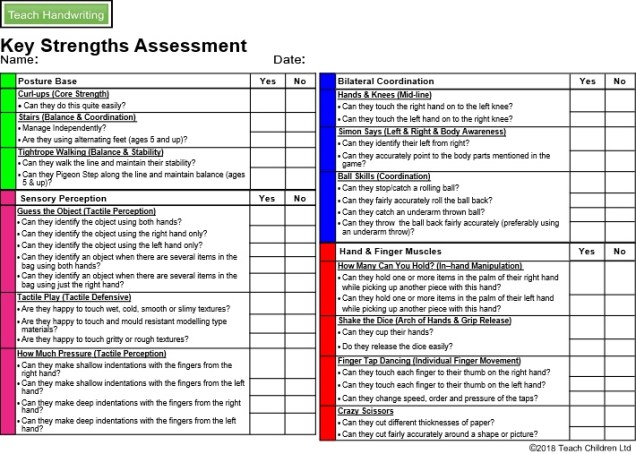
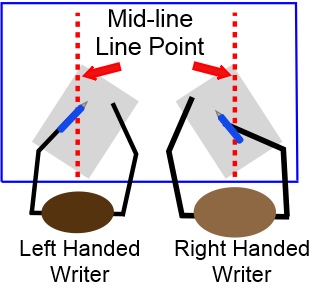

 Earlier this week we highlighted a few of the articles that reported on the fact that children struggle to hold pencils correctly for handwriting and drawing. The reason for this is based on our children’s use of technology and the effect this has on their hand strength and finger dexterity (Fine Motor Skills). Here at Teach Children we have been warning of this for some years now.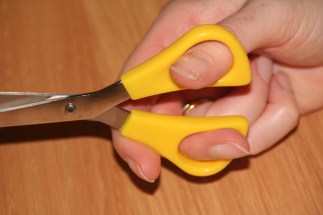


 Dated 14/09/17
 teachhandwriting.blog