Pre-handwriting Patterns – The First Step to Handwriting

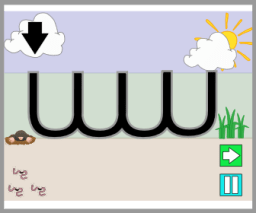
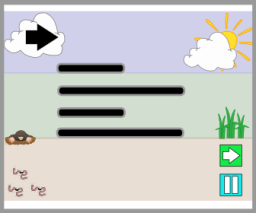
Tun 4 hoops 6   Horiz 1

Dated 21/09/17

Pre-handwriting patterns are the first step in helping your child to learn how to form letters for handwriting. They help your child to learn the shapes and directional pushes and pulls required to form letters. All letters are a combination of these shapes and lines.

Young children can start to learn these patterns through their play, long before they are ready to pick up a pencil, moving toys back and forth across the floor or whirling them around in the air. To your child it is just play and fun, but you are doing something far more powerful and constructive by helping them to develop the motor memory patterns and directional movement skills they will need for handwriting.

Later, as their coordination and gross motor skills develop, they make more controlled and varied movement patterns in their play. Changing directions, speed and size are all prerequisite skills needed for learning pre-handwriting patterns.

These handwriting patterns do not need to be taught as worksheet activities (though they do help to perfect shape and pattern formation), drawing pictures and patterns in sand, paint and with other writing tools are all fun ways to practise.

Teaching the handwriting patterns in groups helps to further develop the specific movements (pushes and pulls) required to form them and help commit them to the motor memory. Your child can then recall these motor memories to support them as they begin to form letters.

Once the handwriting patterns have been mastered your child will have the confidence and skills base necessary to start forming letters, numbers and symbols.

Pre- handwriting Pattern Animations: http://bit.ly/1yibFhm

Handwriting is a Physical Activity

Girl Cartoon Hold PenDated 14/09/17

Handwriting with fluidity, speed, accuracy and over longer periods of time requires a complex range of whole body and hand strengths and skills. So it is not surprising that many children find handwriting challenging.

For a good handwriting style children need to develop their:

  • Gross Motor Skills – so they can sit correctly for periods of time
  • Fine Motor Skills – so that they can hold and control the pencil as well as move the paper up the table as they write.
  • Motor Memory Skills – so they can recall how to form the letters.
  • Visual Memory Skills – so they recall what a particular letter looks like.
  • Spatial Awareness Skills– so they can place the letters correctly on the paper and in relation to one another.
  • Eye Tracking Skills– scanning from left to right so that the letters are formed and placed correctly.

If a child is struggling with handwriting it is important to take a closer look at their physical abilities. Getting them to do more of the paper and pencil activities is not the answer if they do not have all the appropriate key physical strengths to support their handwriting development.

Our assessment is simple to complete and does not need any specialist equipment. The important elements are; your knowledge of your own child and your observations of them at play and while they are engaged in normal day to day task.

Link to our Assessment page: bit.ly/1Aibiie

A better understanding of your child’s key skills abilities enables you to focus more effectively, through targeted physical games and activities, to help them build and develop their skills.

Link to our Physical Games page:  bit.ly/1yfbrHU

Handwriting is such an important skill as it engages the neurological pathways and working memory in a way that pressing a keyboard just doesn’t; so once mastered it helps to open up the doorways to other literacy skills such as phonics, reading, spelling and composition.

Back to School – 6 Ways to Support Your Child’s Pencil Grip Development

cartoon pencil holdDate 07/09/17

After the long school summer holiday it is always good to take some time to check your child has not slipped back into some old, poor pencil grip habits.

Here is a recap of the things which may help them if they are still finding it difficult to form and maintain an appropriate pencil grip.

Remember it is important that you do not force a child to use the tripod grip if they are not developmentally ready. Just because they are starting school doesn’t mean they are ready to hold a pencil in the tripod grip for handwriting.

Have they reached the appropriate stage in their pencil grip development?

Every child develops at a different time and pace; find out if your child is ready yet: bit.ly/1s7XjNP

How do they hold a pencil for writing at the moment?

A poor pencil grip can make forming letters difficult and handwriting slow or uncomfortable. Check out our tips on how to correct a poor pencil grip: bit.ly/1qhbqc6

Have they been taught, & do they understand, how to form a Tripod pencil grip?

It may have been explained to them, but that does not mean your child has understood. Our ‘Tommy Thumb’ and ‘Drawbridge Flip’ videos may help them to learn more easily how to form a tripod grip for handwriting: bit.ly/1r6uoDg

Do they have the physical hand and finger strength to form and maintain a tripod pencil grip?

Not all children have the appropriate hand and finger strength to hold a pencil in the tripod grip and need extra support to help them develop this. To find out more check out our hand and finger strength assessment page:  bit.ly/1xDGECK

Are they left or right handed?

If they are of school age and do not have a clear hand dominance this can make it difficult to develop a good pencil grip. Our hand dominance information may help you here: bit.ly/19BPAcK

Do they swap hands when writing or drawing?

This is a normal developmental stage for many toddlers and young children, but it is not ideal for school age children. Check out our tips on tackling hand swapping issues: bit.ly/1By3GMu

If you have any queries about handwriting or pencil grip feel free to contact us at enquiries@teachhandwriting.co.uk or via this blog or Facebook.