Why Placement (Preposition) and Directional Vocabulary is Important!

Teaching your child the vocabulary related to placement (preposition) and direction is import in supporting them to understand and follow instructions, as well as sharing information themselves, such as; ‘put your cup on the table’ or to say ‘teddy in car’.

We also use this placement (preposition) and directional language to explain how to draw shapes, patterns and write letters and numbers.

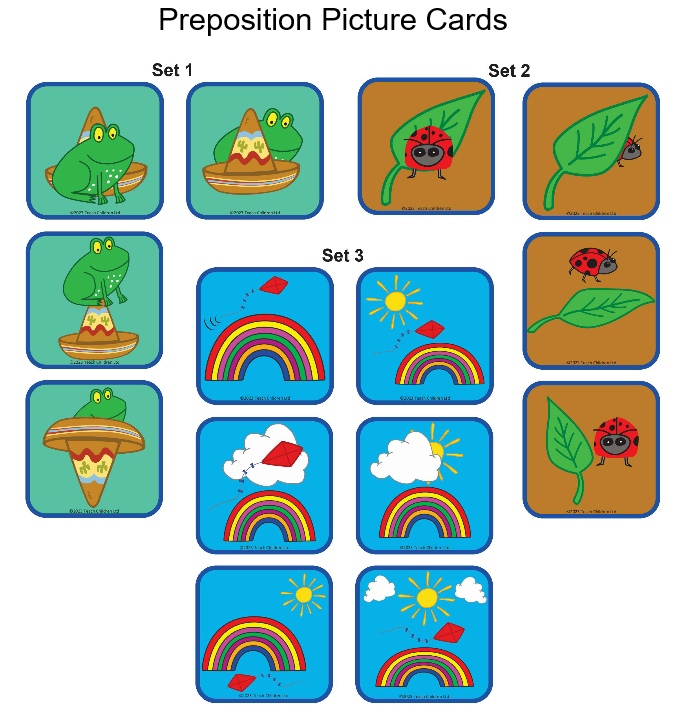
We have created three sets of picture cards and games to help you support your child in developing and using positional (preposition) and directional vocabulary.

You can find these free resources on our Phonics website by following this link: https://www.teachphonics.co.uk/phonics-resources.html

You can find these free resources in Parent section of the Teach Handwriting website by following this link: https://teachhandwriting.co.uk/more-activities.html

What are prepositions?

A word used with a noun or pronoun to show place, position, time or means, e.g. at home, in the hall, on Sunday, by train.” Definition from Oxford School Dictionary, third edition 2002.

Here are just some preposition and directional phrases you might like to use:

On the … On top of the … Above the … Over the…

Under the… Below the … Beneath … Underneath …

Behind the …

In front of the…

Next to …Beside the … On the right of … To the right of … On the right-hand side … On the left of … To the left of … On the left-hand side… Before the … After the …

In the…  Inside the …

Out of the … Outside of the …

Between the … In between the … In the middle … In the center …

Going up the ….  Going down the … Going towards the… Going away from …
Why Placement (Preposition) and Directional Vocabulary is Important!

Teaching your child the vocabulary related to placement (preposition) and direction is import in supporting them to understand and follow instructions, as well as sharing information themselves, such as; ‘put your cup on the table’ or to say ‘teddy in car’.

We also use this placement (preposition) and directional language to explain how to draw shapes, patterns and write letters and numbers.

We have created three sets of picture cards and games to help you support your child in developing and using positional (preposition) and directional vocabulary.

You can find these free resources on our Phonics website by following this link: https://www.teachphonics.co.uk/phonics-resources.html

You can find these free resources in Parent section of the Teach Handwriting website by following this link: https://teachhandwriting.co.uk/more-activities.html

What are prepositions?

A word used with a noun or pronoun to show place, position, time or means, e.g. at home, in the hall, on Sunday, by train.” Definition from Oxford School Dictionary, third edition 2002.

Here are just some preposition and directional phrases you might like to use:

On the … On top of the … Above the … Over the…

Under the… Below the … Beneath … Underneath …

Behind the …

In front of the…

Next to …Beside the … On the right of … To the right of … On the right-hand side … On the left of … To the left of … On the left-hand side… Before the … After the …

In the…  Inside the …

Out of the … Outside of the …

Between the … In between the … In the middle … In the center …

Going up the ….  Going down the … Going towards the… Going away from …

Treasure or Easter Egg Hunts Develop both Handwriting & Language Skills

The Easter Holidays have started, so here are some fun activities to keep children of all ages entertained whether we have rain or sunshine.

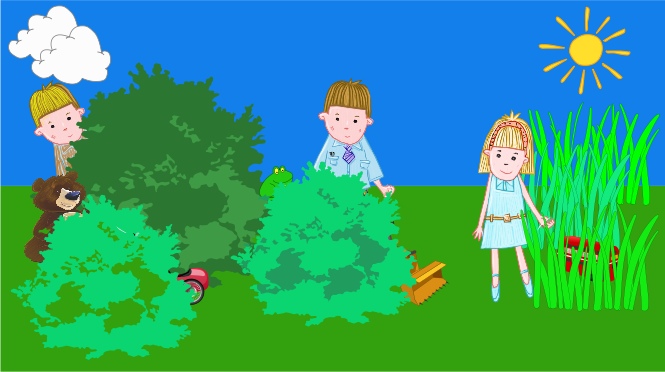
An Easter egg, or treasure, hunt is a great way to teach children directional language. Being able to understand directional and placement (prepositions) vocabulary is important for understanding everyday instructions such as ‘put your cup on the table’; ‘go along the hall and stop at the door in front of you’.

We also use this directional language to explain how to draw patterns and write letters, which is another reason why it is important for young children to be introduced to, and have a good understanding of, this kind of vocabulary.

Through Easter egg, or treasure, hunts you can introduce new directional and placement language in a fun and exciting way. There are a number of different ways to approach this:

  • You can give verbal instructions to the hidden egg/treasure.
  • You could create a map for them to follow and ask them to talk you through the map, supporting them with new language as necessary.
  • You could use a mixture of verbal and map clues.
  • For older children get them to hide the egg/treasure and give you instructions, or draw a map.
  • If you have more than one egg/treasure and they are of different sizes make the larger ones more difficult to find.

The important thing is the language shared. Words and phrases to use are: left, right, straight on, forward, backwards, about turn, turn around, up, down, higher, lower, stop, next to, in front, beside, underneath, on top of, behind, on the left of, on the right of, outside, and inside.

Easter egg, or treasure, hunts are a great whole family activity and you are never too young or too old to join in!