Vertical to Horizontal Surfaces for Handwriting

Young children, due to the stage of their physical development, draw from the shoulder rather than the elbow and wrist using large arm movements. At this stage they often prefer vertical drawing and painting surfaces as it allows a free range of movements. This is often why young children will write on walls, not because they are being naughty but because it just feels comfortable and so more enjoyable.

Drawing and writing on a vertical surface is important at this stage; as it helps young children develop the wrist strength and flexibility they will need later on to hold a pencil correctly for handwriting.

The jump from a vertical to a horizontal writing surface can seem too great for some children; due to their stage of development. These children may benefit from the paper being positioned on a sloped board.

If you are not sure whether a child needs a sloped board for handwriting, instead of buying a specialist board, you could make one. Try using a ring binder or lever arch file stuffed with magazines and newspaper to make a sloped board. Tape the edges to stop the papers falling out; you could cover it in sticky back plastic to give a smoother finish to the board. The advantage of this is that you can make them to any angle of slope. Try a few to see which, if any, the child prefers.

A homemade sloped board is just as effective as a bought one. Often a child only requires one for a short amount of time and quickly moves to writing on a horizontal surface. For a few children a sloped surface may be required for a few years, or indefinitely, in which case a purpose bought sloped writing board is a sounder investment.
Transferring handwriting skills from worksheets to paper 

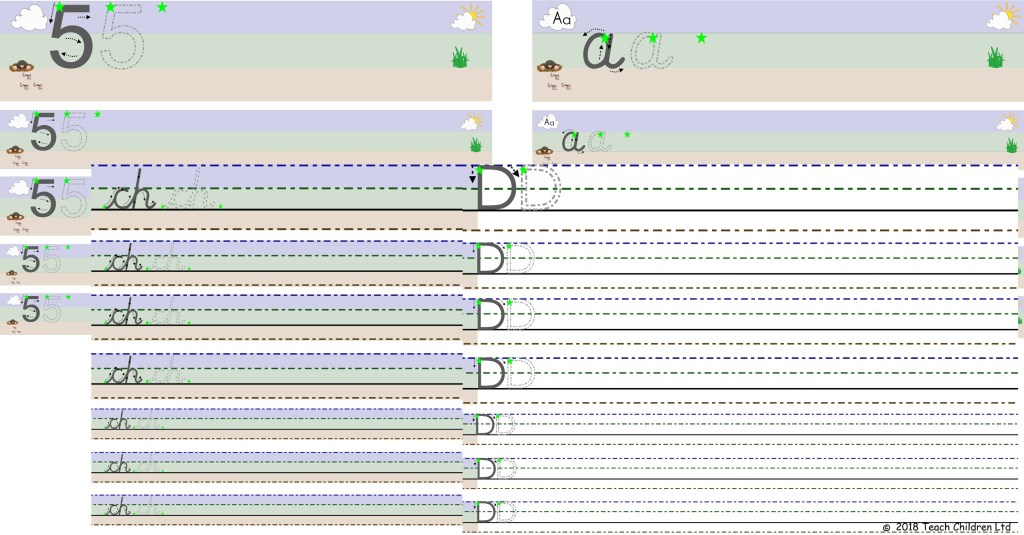
At Teach Children our aim is to move children off of worksheets as soon as possible. To achieve this, it is important to encourage them to transfer their skills to plain or lined paper whichever is most appropriate to their ability level. We realise that it is not always possible to buy paper with the appropriate line height in all cases, so would recommend creating your own on the computer.

  • Use a combination of worksheets and lined paper in each handwriting session with your child:
  • Use the colour worksheet, or a grey scale version, and complete one or two rows.
  • Then encourage the child to try the same patterns or letters on appropriately lined paper, again try one or two rows only.

Hopefully the worksheet will last over a couple of handwriting sessions and you and the child will see an improvement over the time. The sooner they learn to transfer their skills to paper the better.

We realise that printing off our worksheets and coloured lined paper can become costly so, to help reduce the costs:

  • Use a colour version of the appropriate worksheet initially and then try printing in grey scale. Children usually make the adjustment to grey scale well once they are used to how the picture clues and colours work.
  • You could also use the grey scale worksheets and colour the start of each row with the appropriate colour.

Making it Easier to Copy from the Board

Copying accurately and quickly from a board at the front of a classroom can be a challenge at the best of times. For young children and those with specific learning difficulties it can be near on impossible. It is amazing how many children lose some, if not all, of a break time because they could not complete the copying task quickly enough in the lesson time.

The practise of taking information off the board has its uses and there are times when there is just no other alternative but it can be made more manageable, here are a few ideas which may help.

  • Make sure the child is sitting facing the board.
  • That they can see the board clearly.
  • That light is not reflecting off the board so that the writing disappears.
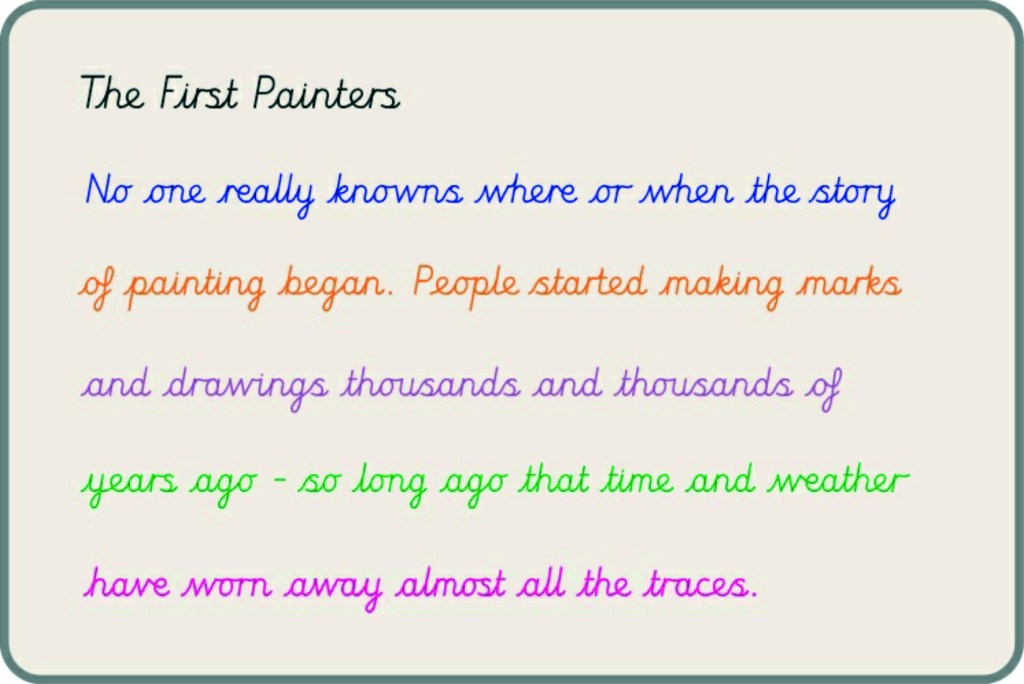
  • Try using a different colour marker pen for each line of writing (this way a child will be able to quickly locate the line they were copying from).
  • Or try numbering the lines so the child can more effectively find their way around the text.
  • Leave more of a gap between each line of writing so that each line is clearly visible from the back of the room.
  • Ask those children, who struggle copying, to start the first line of writing as you transfer the text to a smaller board which can then be placed at a more appropriate distance and level for them to continue copying from.
  • If you know the information that will need to be transferred to the child’s book then pre-prepare a text that can be given to the child to copy from. It may be in a different order or layout to that on the board; but it is the information and the child’s ability to access it, that is important.
  • Is a full sentence explanation always required or could the information be presented in another way such as a mind map or diagram which would be equally, or even more, useful to the child.

It can be surprising how frustrating and upsetting being asked to copy from the board can be for many children. So, anything that can help to alleviate these emotions and difficulties has got to be worth a try!

Treasure Hunts Develop both Handwriting & Language Skills

The Easter Holidays are here, so here are some fun activities to keep children of all ages entertained whether we have rain or sunshine.

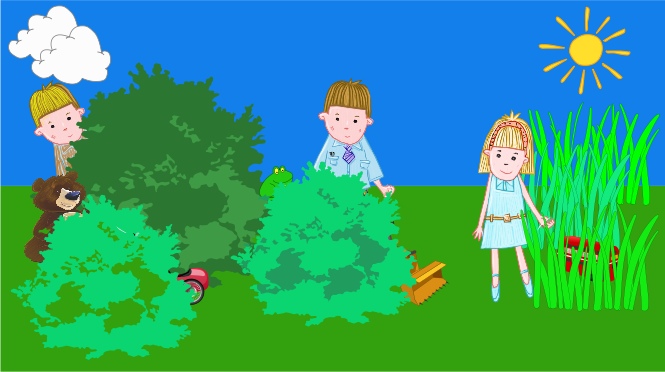
A treasure hunt is a great way to teach children directional language. Being able to understand directional and placement (prepositions) vocabulary is important for understanding everyday instructions such as ‘put your cup on the table’; ‘go along the hall and stop at the door in front of you’.

We also use this directional language to explain how to draw patterns and write letters, which is another reason why it is important for young children to be introduced to, and have a good understanding of, this kind of vocabulary.

Through treasure hunts you can introduce new directional and placement language in a fun and exciting way. There are a number of different ways to approach this:

  • You can give verbal instructions to the hidden treasure.
  • You could create a map for them to follow and ask them to talk you through the map, supporting them with new language as necessary.
  • You could use a mixture of verbal and map clues.
  • For older children get them to hide the treasure and give you instructions, or draw a map.
  • If you have more than one treasure and they are of different sizes make the larger ones more difficult to find.

The important thing is the language shared. Words and phrases to use are: left, right, straight on, forward, backwards, about turn, turn around, up, down, higher, lower, stop, next to, in front, beside, underneath, on top of, behind, on the left of, on the right of, outside, and inside.

Treasure hunts are a great whole family activity and you are never too young or too old to join in!